

Onsite emergency generators are essential for keeping buildings operational during power outages. But when a generator runs, it can also create a problem many facility managers know all too well: noise. That noise can affect occupants, nearby properties, and even regulatory compliance. This is where a generator silencer comes in.
Understanding what a generator silencer is—and what it does—can help facility managers make better decisions about system performance, safety, and long‑term site reliability.
What Is a Generator Silencer?
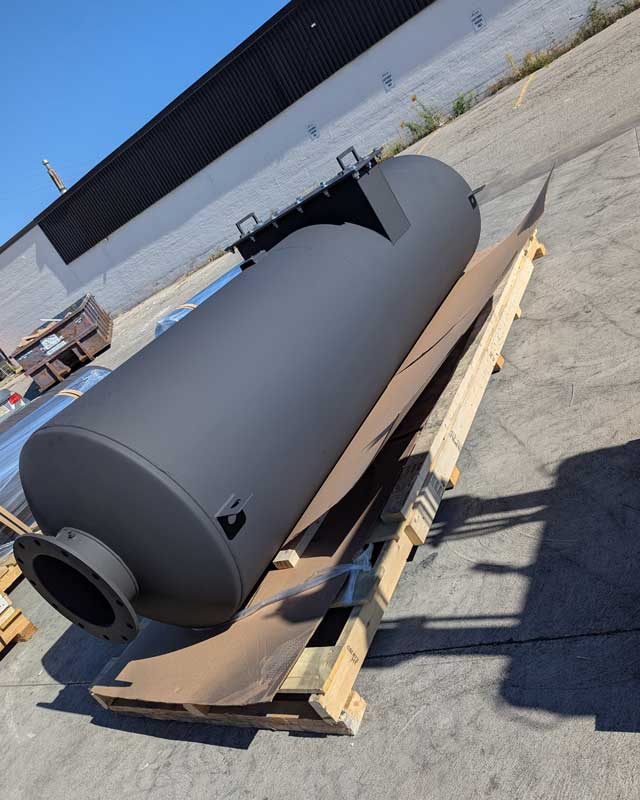
A generator silencer is a component installed in the generator’s exhaust system. Its job is simple in concept: reduce the noise created as exhaust gases leave the engine. Unlike soundproofing that blocks noise after it spreads, a silencer works at the source—before noise has a chance to travel through the facility or into the surrounding environment.
While silencers are sometimes compared to automotive mufflers, industrial generator silencers are engineered for much larger engines, higher temperatures, and continuous or emergency operation. They are designed to reduce noise without interfering with how the engine performs.
Why Are Generators So Loud?
Generator noise comes from several sources, but exhaust noise is often the most dominant. As the engine operates, high‑pressure exhaust gases exit rapidly, creating powerful sound waves that can travel long distances—especially outdoors or through open structures.
This sound can become an issue anywhere generators operate near people—whether that means a generator installed at a hospital, data center, or commercial building, or one located next to offices, residential areas, or other noise‑sensitive spaces. Even when a generator runs only during testing or emergencies, noise levels can still exceed acceptable limits if they are not properly controlled.
How Does a Generator Silencer Reduce Noise?
Generator silencers reduce noise using two main principles:
- Sound Reflection: Some sound waves are redirected internally within the silencer. By forcing sound to change direction and bounce through internal chambers, the energy of the noise is reduced before it exits the exhaust stack.
- Sound Absorption: Other sound waves are absorbed by specialized internal materials. These materials convert sound energy into a small amount of heat, further reducing the overall noise level.
Most industrial silencers use a combination of reflection and absorption, allowing them to meet specific noise reduction goals while maintaining proper exhaust flow. This balance is critical for protecting both people and equipment.
Commercial and residential grades address general noise concerns, while critical, hospital, and super hospital grades are used in highly noise‑sensitive environments. The higher the grade, the quieter the result—without compromising generator operation.
Why Silencer Selection Matters
From a facility management perspective, one of the most important things to understand is that silencers are not one‑size‑fits‑all.
The right silencer depends on several factors, including:
- Generator size and engine type
- Exhaust temperature and flow rate
- Available space for installation
- Whether the system is indoors or outdoors
- Target noise levels or regulatory requirement
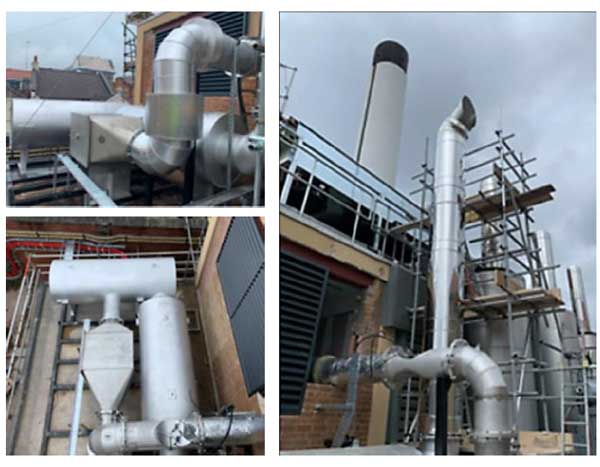
If a silencer is undersized or poorly matched to the system, it may not reduce noise enough—or worse, it can create excessive backpressure, which can negatively affect engine performance and longevity. Properly engineered silencers are designed to minimize noise without restricting exhaust flow.
Noise, Safety, and Compliance
Excessive generator noise is more than an annoyance. High sound levels can contribute to:
Occupational safety concerns for staff working near equipment
Complaints from occupants or neighboring properties
Potential issues with local noise ordinances or workplace exposure limits
Silencers play an important role in helping facilities align with OSHA and NIOSH noise exposure guidelines, which are designed to protect hearing and overall workplace safety. While silencers alone do not guarantee compliance, they are a foundational component of a well‑designed exhaust system.
Silencers as Part of the Full Exhaust System
It’s also helpful for facility managers to view the silencer as part of a complete exhaust system, not a standalone accessory. The exhaust system may include:
- Flexible connectors to manage vibration
- Exhaust piping and elbows
- Stacks or rain caps to direct exhaust safely
- Mounting and insulation components
When these elements work together, the result is a system that is quieter, safer, and more reliable over the long term.
Why Experience Matters
Because silencers must be matched to real‑world operating conditions, experience in design and manufacturing matters.
Companies like E.I. Williams engineer both standard and custom silencers for generators and other industrial applications, drawing on decades of experience in noise reduction and exhaust system design.
For facility managers, working with a knowledgeable manufacturer can simplify the process—helping ensure the silencer meets noise goals, fits the space, and supports reliable generator operation.
Final Thoughts
A generator silencer may not be the most visible part of an emergency power system, but it plays a critical role in protecting people, property, and equipment. By reducing exhaust noise at the source, silencers help facilities operate more safely, minimize disruptions, and maintain compliance with workplace and community expectations.
If you have questions about generator silencers or how they fit into your facility’s exhaust system, E.I. Williams can provide guidance based on real‑world applications and engineered solutions.
E.I. Williams: Trusted Partner in Noise and Emission Control
E.I. Williams designs and manufactures advanced industrial silencers, emissions systems(DOC, DPF, SCR, 3WC), and exhaust accessories. With fabrication in the U.S. and Canada, they deliver fast lead times and engineered solutions for power generation, data centers, marine, defense, and more.
Product Guides


